The Moment of Misinformation: Wadephul's Gulf Region Warning Gaffe
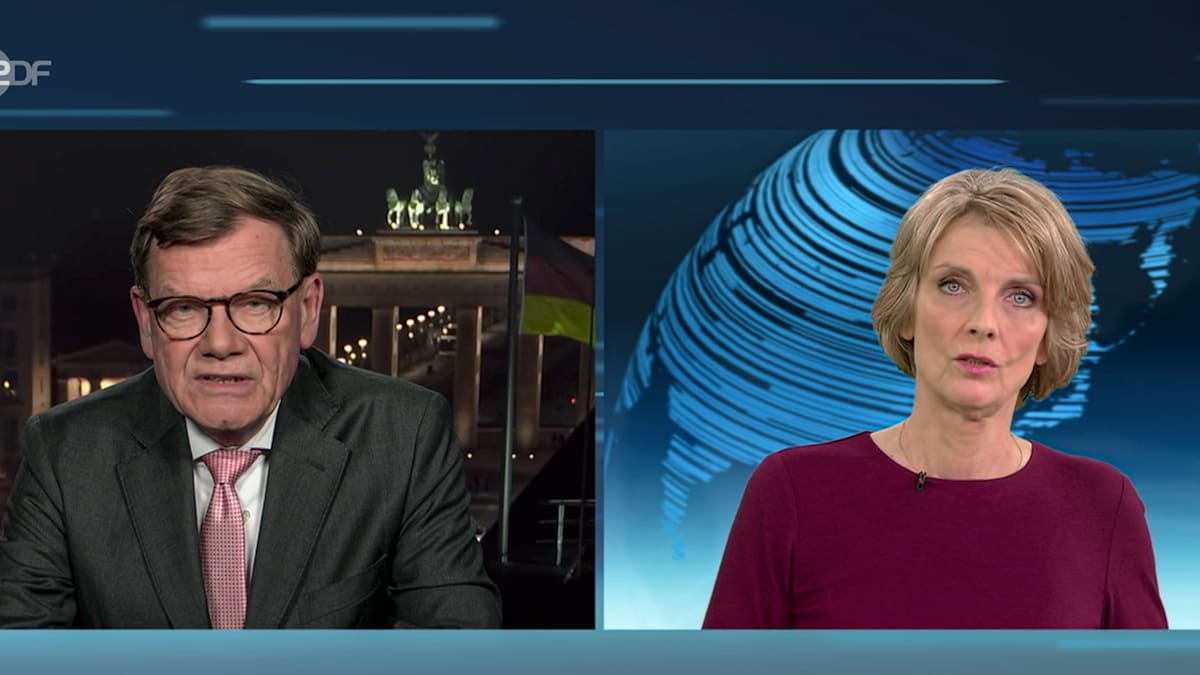
In an era dominated by instant news cycles and the pervasive reach of social media, the accuracy of statements made by public figures holds unprecedented weight. A recent incident involving prominent German politician Johann Wadephul brought this reality sharply into focus. During a live interview on ZDF, a leading German public television broadcaster, Wadephul made a definitive claim regarding travel warnings for the Gulf region, asserting that the Foreign Office had "long since warned" against such trips. This statement, delivered with conviction, was almost immediately challenged by the seasoned moderator, Marietta Slomka, setting the stage for a public correction that would quickly become a topic of widespread discussion. The swift retraction, characterized by Wadephul himself as an "irrtum" – a German term meaning error or mistake – underscored the critical importance of verifiable information, especially when it pertains to matters of public safety and international relations. This incident, often referred to in German media as the
irrtum Wadephul, offers a valuable case study in political communication, media scrutiny, and the delicate balance between public statements and factual accuracy.
The Gaffe Unfolds: A Live Television Moment
The scene was set on Monday evening during a high-profile ZDF interview, a platform where German politicians frequently engage with the public on pressing issues. Johann Wadephul, a respected member of the Bundestag and a key figure within the CDU/CSU parliamentary group, was discussing various topics when the conversation turned to the security situation in the Gulf region. With an air of certainty, Wadephul declared that the Foreign Office had already issued long-standing warnings against travel to the area. This assertion was not merely a casual comment; it carried the implication of established government policy and expert assessment regarding a volatile region.
However, the interview took an unexpected turn as moderator Marietta Slomka, known for her incisive questioning and thorough preparation, promptly and respectfully contradicted Wadephul's statement. Her challenge wasn't an accusation but a professional correction, indicating that her own information did not align with his claim. In the dynamic environment of live television, such a direct contradiction can create immediate tension and highlight potential discrepancies. The exchange put Wadephul in a difficult position, as the moderator's stance suggested a significant factual inaccuracy in his statement. This immediate pushback from Slomka was crucial, acting as an early alarm bell that something might be amiss, even if the full scope of the
irrtum Wadephul was yet to be officially acknowledged. The incident quickly generated chatter, with many wondering about the veracity of the initial claim versus the moderator's firm counterpoint.
From Firm Stance to "Irrtum": The Correction
The aftermath of the live interview saw rapid developments. The very next day, Johann Wadephul publicly addressed his statement, retracting his earlier claim. His words, "Ich bedaure den Irrtum" – "I regret the error" – were a clear and unequivocal admission of fault. This swift correction was critical in managing the burgeoning narrative, preventing prolonged speculation about the actual status of travel warnings. The term "irrtum" itself became central to the discussion, defining the nature of his misstatement.
The significance of such an error by a prominent politician cannot be overstated. Travel warnings issued by a nation's Foreign Office are serious directives, meticulously crafted based on intelligence assessments and intended to protect citizens abroad. An incorrect statement regarding their existence or duration can have several repercussions:
*
Public Trust: It can erode public confidence in the accuracy of information provided by political leaders and government bodies. If a high-ranking politician is mistaken on such a critical detail, it can foster skepticism.
*
Foreign Policy Implications: Misrepresenting travel warnings can inadvertently send incorrect signals to other nations regarding a country's diplomatic stance or security assessments, potentially causing unnecessary alarm or confusion.
*
Media Scrutiny: The incident highlighted the vital role of the media, specifically the moderator, in fact-checking statements in real-time, holding public figures accountable, and ensuring the dissemination of accurate information.
The admission of an
irrtum Wadephul wasn't just a personal apology; it was an acknowledgment of the high standards expected from those in public office. It demonstrated that even experienced politicians can make mistakes under pressure, but also that a prompt and transparent correction is a necessary part of maintaining credibility. For a deeper dive into the specific details of his retraction, see
Wadephul Regrets Error: Corrects Gulf Travel Warning Claim.
The Broader Implications: Accuracy, Public Trust, and Foreign Policy
The "irrtum Wadephul" incident extends beyond a simple misstatement, touching upon fundamental principles of governance and public communication. For any nation, particularly one with significant international influence like Germany, the accuracy of official communications is paramount. Travel warnings are not mere suggestions; they are informed assessments that directly impact citizens' safety, commercial interests, and diplomatic relationships.
The Importance of Accuracy in Public Discourse
When a politician speaks on national television about foreign policy or security, their words are often taken as authoritative. A misstatement, even an unintentional one, can sow confusion. In this case, falsely claiming a long-standing travel warning for the Gulf region could have led individuals to either cancel necessary travel or, conversely, disregard future genuine warnings if the public perceived government statements as unreliable. The episode serves as a powerful reminder that robust fact-checking mechanisms, both internal to political offices and external through vigilant journalism, are indispensable safeguards against misinformation.
Impact on Public Trust
Public trust is a fragile commodity for politicians. Each instance where a public figure corrects a significant factual error, particularly live on television, can either reinforce transparency or, if handled poorly, deepen cynicism. Wadephul's prompt admission of his "irrtum" likely helped mitigate some of the potential damage to his personal credibility and, by extension, to the broader political discourse. However, repeated instances of such errors can gradually erode the public's confidence in the veracity of official statements, a dangerous trend in a democratic society.
Nuances of Foreign Policy and Travel Advisories
Travel advisories are complex tools. They are not issued lightly, as they can have significant economic and diplomatic consequences. A blanket warning for an entire "Gulf region" without specific official guidance would be a major development, impacting trade, tourism, and diplomatic ties. Actual warnings are typically granular, specifying particular countries, regions, or even cities, and detailing the exact nature of the threat (e.g., political instability, terrorism, natural disaster). The fact that Slomka was immediately aware of the absence of such a broad, long-standing warning highlights the publicly accessible nature of these advisories and the media's role in monitoring them. For a deeper analysis of the potential ripple effects, consider reading
Johann Wadephul's Mistake: Impact on Gulf Travel Warnings.
Navigating Public Statements: Lessons Learned from the "Irrtum Wadephul" Incident
The incident involving Johann Wadephul and his correction serves as a multi-faceted lesson for various stakeholders: public figures, the media, and the general public. It underscores the perpetual challenge of communication in the digital age, where information spreads rapidly and errors can be amplified instantly.
Tips for Public Figures and Politicians:
- Prioritize Fact-Checking: Before making any definitive statement, especially on sensitive topics like travel advisories, ensure the information is accurate and up-to-date. Access to official sources is usually readily available; take the extra moment to verify.
- Be Prepared for Scrutiny: Live television interviews, debates, and public appearances are subject to immediate fact-checking by journalists and the public. Anticipate questions and potential challenges to your claims.
- Embrace Transparency and Timely Correction: As Wadephul demonstrated, admitting an "irrtum" promptly and transparently is crucial. Attempting to obfuscate or delay can compound the problem and further damage credibility. A sincere apology or clarification often goes a long way in rebuilding trust.
- Understand the Context of Official Statements: Distinguish between personal opinions, party positions, and official government policy. Travel warnings, for instance, are issued by specific government bodies (e.g., the Foreign Office) and represent official state policy, not individual interpretations.
Tips for the Media and Journalists:
- Vigilant Fact-Checking: The role of moderators like Marietta Slomka in challenging misinformation in real-time is invaluable. Media outlets should empower their journalists to perform this critical function.
- Provide Context: When reporting on such incidents, it's important to not just highlight the error but also provide the correct factual information and explain the implications of the misstatement.
- Focus on the Message, Not Just the Messenger: While the politician's gaffe is newsworthy, the underlying issue (e.g., actual travel warnings, security in the Gulf region) should also receive adequate attention.
Tips for the Public:
- Verify Information from Official Sources: Always cross-reference statements from politicians with official government websites (e.g., the Foreign Office's travel advice pages for security warnings). Do not rely solely on news reports or social media.
- Cultivate Critical Thinking: Be skeptical of any definitive claim, especially those made without immediate supporting evidence. Ask: "Is this verifiable? Where can I check this?"
- Understand the Nature of Errors: Recognize that politicians, like all individuals, can make mistakes. The key is how those mistakes are handled. A prompt admission and correction generally reflect better on the individual and the democratic process.
The
irrtum Wadephul serves as a microcosm of the challenges inherent in modern public communication. It reminds us that accuracy, transparency, and a vigilant media are indispensable pillars for a well-informed populace and a functioning democracy.
Conclusion
The incident involving Johann Wadephul's erroneous statement on ZDF regarding Gulf region travel warnings, and his subsequent swift correction of this "irrtum," provides a potent lesson in the landscape of contemporary political communication. It underscores the paramount importance of factual accuracy in public discourse, particularly from figures in positions of influence, and highlights the indispensable role of robust journalism in holding such figures accountable. While errors are an inherent part of human interaction, the manner in which they are acknowledged and rectified profoundly impacts public trust and confidence. The "irrtum Wadephul" serves as a reminder for politicians to exercise utmost diligence in their public pronouncements, for the media to remain vigilant fact-checkers, and for the public to maintain a critical perspective, always seeking to verify information from official sources. Ultimately, learning from such missteps strengthens the integrity of public debate and reinforces the foundational principles of an informed society.